
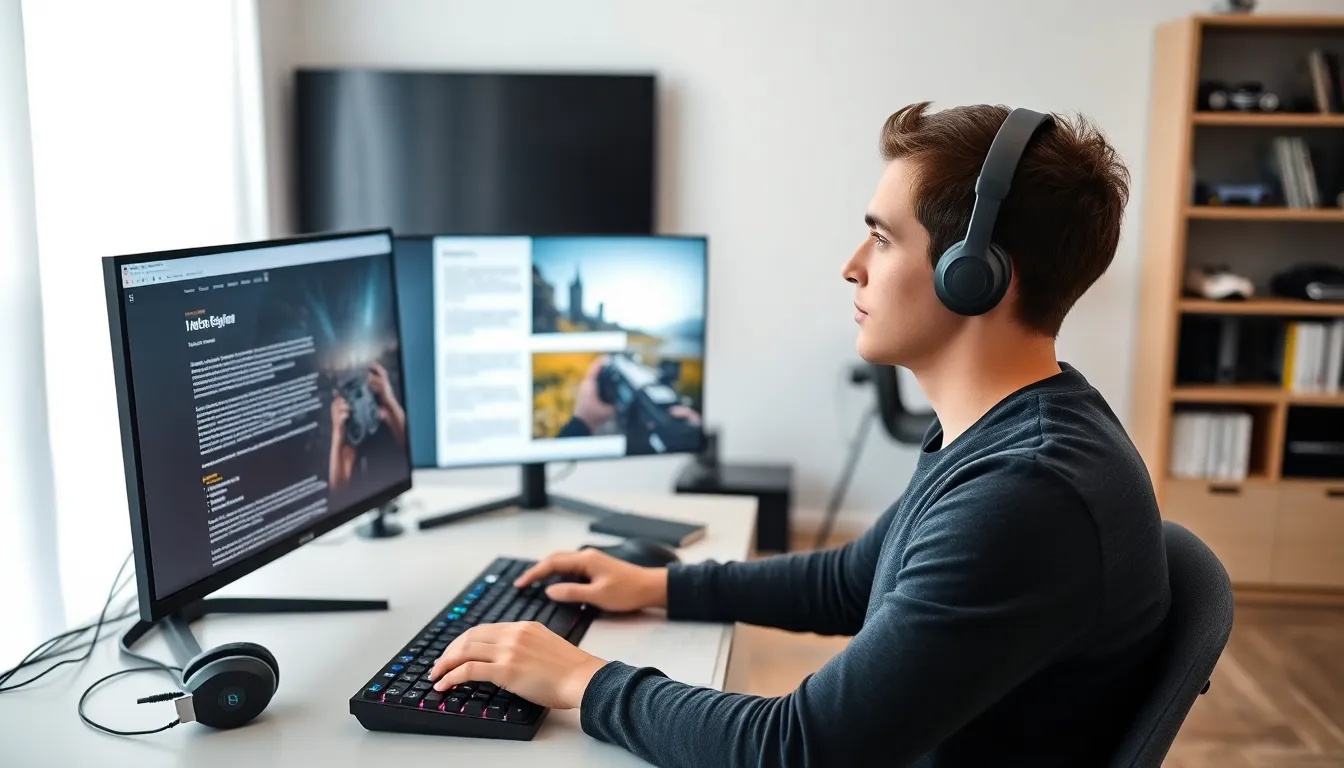
Gaming reviews vs. gameplay videos, which source gives players the truth they need before spending money? Both formats promise insight, but they deliver information in very different ways. Reviews offer structured opinions and scores. Gameplay videos show raw, unedited action. Gamers often turn to one or both before making a purchase decision.
This article breaks down what each format offers, how they differ, and when each works best. By the end, readers will know exactly which source to trust for their next game purchase.
Table of Contents
ToggleKey Takeaways
- Gaming reviews offer structured analysis, expert opinions, and quick summaries ideal for time-pressed buyers.
- Gameplay videos provide unfiltered visual proof of graphics, mechanics, and pacing that written reviews cannot replicate.
- Reviews carry subjectivity and potential bias, while gameplay videos require significant time investment to form a complete opinion.
- Use gaming reviews for story-driven games and quick decisions; use gameplay videos when visual performance or gameplay style matters most.
- Combining gaming reviews with 15-20 minutes of gameplay footage delivers the most reliable basis for purchase decisions.
- Neither format is bias-free—both reviewers and content creators may receive free copies or sponsorships.
What Are Gaming Reviews?
Gaming reviews are structured assessments written or produced by critics, journalists, or content creators. They evaluate a game’s story, graphics, mechanics, sound design, and overall value. Most reviews end with a score or rating system.
Professional outlets like IGN, GameSpot, and Polygon publish gaming reviews within days of a game’s release. Independent reviewers on YouTube and personal blogs also contribute opinions. These reviews typically follow a format: introduction, breakdown of key elements, pros and cons, and final verdict.
Reviews serve a clear purpose. They summarize a game’s strengths and weaknesses in a digestible format. A reader can scan a review in five minutes and walk away with a solid understanding of what to expect.
But, gaming reviews carry inherent subjectivity. One reviewer might love a slow-paced RPG while another finds it boring. Critics also face time constraints. They often rush through games to meet embargo deadlines, which can lead to incomplete impressions.
Some gamers question whether gaming reviews reflect real player experiences. Reviewers receive free copies and sometimes face pressure from publishers. This dynamic raises concerns about bias, though reputable outlets maintain editorial independence.
Even though these concerns, gaming reviews remain valuable. They provide context, analysis, and expert perspective that raw footage cannot.
What Are Gameplay Videos?
Gameplay videos show a game in action without heavy editing or commentary interruptions. Streamers on Twitch and YouTubers produce hours of raw gameplay content daily. These videos let viewers see exactly what playing the game looks like.
The format ranges from “let’s play” series to silent walkthroughs. Some creators add commentary while others let the game speak for itself. Either way, gameplay videos offer unfiltered access to a game’s visuals, mechanics, and pacing.
Viewers gain a major advantage from gameplay videos: they see the product firsthand. No written description can replicate watching a character move through a world. Frame rate issues, clunky animations, and loading times become immediately visible.
Gameplay videos also reveal how long certain sections take. A reviewer might mention “repetitive combat,” but watching ten minutes of that combat shows the reality. Players can judge for themselves whether the pacing works.
The downside? Gameplay videos require time investment. Watching enough footage to form an opinion might take 30 minutes or more. Viewers must also account for the player’s skill level. A bad player makes any game look frustrating.
Gameplay videos lack the analytical framework of gaming reviews. They show what happens but rarely explain why it matters. Context gets lost without someone interpreting the experience.
Key Differences Between Reviews and Gameplay Videos
Gaming reviews and gameplay videos serve different purposes. Understanding these differences helps players choose the right source for their needs.
Format and Presentation
Reviews condense hours of gameplay into structured analysis. They prioritize efficiency. Gameplay videos prioritize authenticity. One explains: the other demonstrates.
Time Investment
A gaming review takes five to ten minutes to read or watch. A gameplay video might require an hour of viewing to get a complete picture. Busy gamers often prefer reviews for this reason.
Subjectivity vs. Objectivity
Both formats contain subjectivity, but they express it differently. Reviews state opinions directly: “This game has bad writing.” Gameplay videos let viewers form their own conclusions. The trade-off is clarity versus independence.
Spoiler Risk
Gaming reviews typically warn about spoilers and avoid major plot reveals. Gameplay videos carry higher spoiler risk. Watching raw footage often exposes story beats, boss designs, and late-game content.
Trust and Bias
Some players distrust gaming reviews due to perceived publisher influence. Gameplay videos feel more authentic because viewers see actual gameplay. But, content creators also receive free copies and sponsorship deals. Neither format is immune to bias.
Use Case
Reviews work best for quick decisions and overall impressions. Gameplay videos work best for visual confirmation and gameplay feel. Smart consumers use both sources together.
When to Use Each for Buying Decisions
Knowing when to use gaming reviews versus gameplay videos makes purchasing decisions easier.
Use Gaming Reviews When:
- Time is limited. Reviews deliver key information fast. A ten-minute video review covers story, mechanics, and value.
- The buyer wants expert analysis. Reviewers compare games to others in the genre and provide historical context.
- The game is story-driven. Reviews discuss narrative quality without heavy spoilers. Gameplay videos risk revealing plot points.
Use Gameplay Videos When:
- Visual performance matters. Gameplay videos show graphics, frame rates, and animations in real time. No review can replicate that.
- The buyer is unsure about gameplay style. Watching combat, exploration, or puzzle-solving helps players determine if the mechanics appeal to them.
- Previous reviews felt misleading. If past review scores didn’t match personal experience, gameplay videos offer a second opinion based on raw evidence.
Use Both When:
- The purchase is expensive. A $70 game deserves thorough research. Combining gaming reviews with gameplay footage reduces buyer’s remorse.
- The game has mixed reception. When critics disagree, gameplay videos help players understand why. Seeing the content clarifies conflicting opinions.
- The buyer is new to the genre. Reviews explain genre conventions while gameplay videos show whether those conventions appeal visually.
The smartest approach combines both sources. Read a trusted gaming review first, then watch 15-20 minutes of gameplay footage. This method provides analysis and visual confirmation.


