
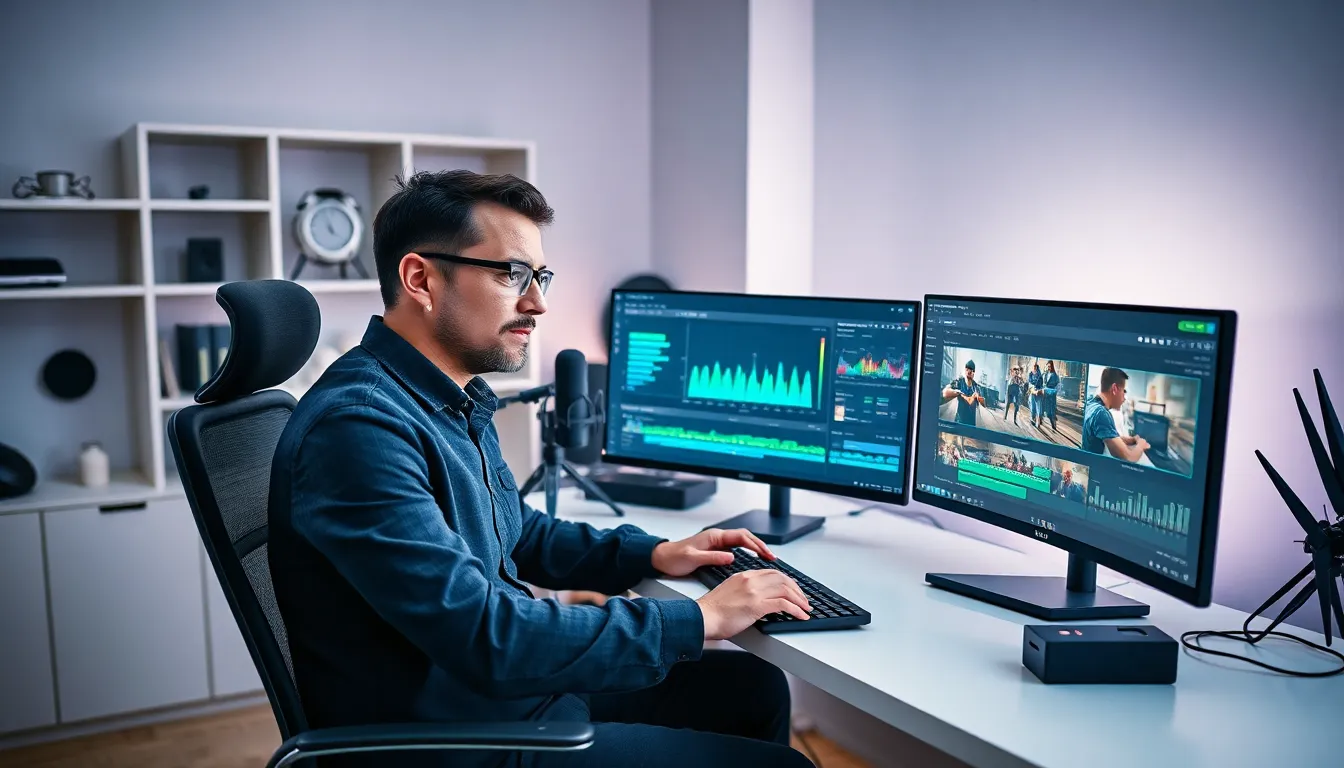
Gaming reviews tools have become essential for anyone creating game content in 2025. Whether someone runs a YouTube channel, writes for a blog, or streams on Twitch, the right software can transform rough footage into polished reviews that audiences trust.
The gaming review space is competitive. Thousands of creators publish content daily, and viewers expect high production values. They want smooth video, accurate performance data, and well-written analysis. Meeting these expectations requires more than just playing games, it demands a solid toolkit.
This guide covers the essential gaming reviews tools that professional and aspiring reviewers use. From video capture software to benchmarking utilities and publishing platforms, each category serves a specific purpose in the review creation process.
Table of Contents
ToggleKey Takeaways
- Gaming reviews tools span four essential categories: video capture, benchmarking, editing, and publishing software.
- Free tools like OBS Studio, DaVinci Resolve, and CapFrameX provide professional-quality results without subscription costs.
- Performance benchmarking tools add credibility by providing specific frame rate data and technical metrics audiences trust.
- Written reviews still drive organic traffic, making SEO tools and publishing platforms valuable for content creators.
- Choose gaming reviews tools based on your output format, budget, and hardware capabilities rather than popularity alone.
- Master one tool at a time and build an integrated workflow where software exports and imports cleanly together.
What Are Gaming Reviews Tools?
Gaming reviews tools are software applications that help creators capture, analyze, edit, and publish game reviews. These tools fall into several categories, each serving a distinct function in the review workflow.
Video capture software records gameplay footage. Reviewers need clean, high-quality recordings to show their audience what a game looks like in action.
Benchmarking tools measure game performance. They track frame rates, GPU usage, CPU load, and other metrics that inform technical assessments.
Editing software transforms raw footage into finished videos. Good editors let creators cut clips, add commentary, insert graphics, and polish audio.
Writing platforms help reviewers draft, edit, and publish written content. Many reviewers combine video and text, so these tools remain relevant even in a video-first era.
Professional reviewers typically use gaming reviews tools from multiple categories. A complete workflow might include OBS Studio for capture, CapFrameX for benchmarks, DaVinci Resolve for editing, and WordPress for publishing. The combination depends on the creator’s needs and budget.
Top Video Capture and Editing Software
Video quality makes or breaks a game review. Audiences notice choppy footage, poor audio sync, and low resolution. The right gaming reviews tools solve these problems before they start.
Capture Software
OBS Studio remains the industry standard for free capture software. It records gameplay at high bitrates, supports multiple audio tracks, and works on Windows, Mac, and Linux. Most reviewers start here.
NVIDIA ShadowPlay offers hardware-accelerated recording for users with NVIDIA GPUs. It captures footage with minimal performance impact, useful when reviewing demanding games where every frame counts.
Elgato Game Capture serves console reviewers who need external capture cards. The accompanying software handles recording and basic streaming functions.
Editing Software
DaVinci Resolve provides professional-grade editing for free. Its color correction tools, audio mixing capabilities, and effects library rival paid options. Many full-time reviewers use Resolve as their primary editor.
Adobe Premiere Pro dominates the paid market. Its integration with After Effects and Audition creates a powerful ecosystem, though the subscription cost adds up.
CapCut works well for creators who publish short-form content on TikTok or YouTube Shorts. It’s free, fast, and includes trending effects that appeal to younger audiences.
Choosing gaming reviews tools for video production depends on output format. Long-form YouTube reviewers benefit from Resolve or Premiere. Short-form creators might prefer CapCut’s speed and simplicity.
Performance Benchmarking and Analysis Tools
Technical analysis separates professional reviews from casual impressions. Readers and viewers want hard data about frame rates, stability, and hardware requirements. Gaming reviews tools for benchmarking provide this information.
CapFrameX stands out as a free, open-source benchmarking tool. It captures frame time data, generates detailed reports, and exports charts for use in videos or articles. Many hardware-focused reviewers rely on it daily.
MSI Afterburner pairs with RivaTuner Statistics Server to display real-time performance overlays. Reviewers can show frame rates, temperatures, and utilization on screen while recording gameplay.
FrameView from NVIDIA offers similar functionality with a focus on power consumption metrics. It’s particularly useful for laptop and efficiency-focused reviews.
3DMark and PCMark provide standardized benchmark scores. These synthetic tests help reviewers compare performance across different hardware configurations in a controlled environment.
For console reviewers, options are limited. Most rely on built-in frame rate counters or third-party analysis tools like Digital Foundry’s methodology, capturing footage and analyzing frame times in post-production.
Gaming reviews tools for benchmarking add credibility. When a reviewer states that a game runs at 60 fps with 1% lows of 45 fps, that specific data builds trust with technical audiences.
Writing and Publishing Platforms for Game Reviewers
Written reviews still matter. Search engines index text content, and many readers prefer reading to watching videos. Gaming reviews tools for writing help creators produce and distribute quality articles.
WordPress powers a huge portion of gaming websites. Its flexibility, plugin ecosystem, and SEO capabilities make it ideal for review sites. Free themes exist, though serious publishers often invest in premium options.
Ghost offers a cleaner, faster alternative focused on publishing. It handles newsletters natively, which helps reviewers build direct relationships with their audience.
Notion works well for drafting and organizing content. Many reviewers write in Notion, then export to their publishing platform. Its database features help track review scores, release dates, and coverage plans.
Grammarly catches errors and improves readability. Even experienced writers benefit from a second set of eyes, or algorithms. The premium version offers style suggestions that can tighten prose.
Google Docs remains popular for collaborative reviews. When multiple writers contribute to a single piece, real-time editing and commenting streamline the process.
SEO tools like Ahrefs, Semrush, or Ubersuggest help reviewers understand what audiences search for. These gaming reviews tools inform topic selection and keyword strategy, driving organic traffic to published content.
How to Choose the Right Tools for Your Workflow
Selecting gaming reviews tools requires honest assessment of needs, budget, and skill level. The best tool is one that gets used consistently, not the most expensive or feature-rich option.
Start With Your Output Format
Video-first creators should prioritize capture and editing software. Writers need strong publishing platforms and SEO tools. Hybrid creators, those who do both, need solutions that work efficiently together.
Consider Your Budget
Free gaming reviews tools cover most needs:
- OBS Studio for capture
- DaVinci Resolve for editing
- CapFrameX for benchmarks
- WordPress.com or Ghost for publishing
Paid tools add convenience and advanced features, but they aren’t required to produce quality reviews.
Match Tools to Your Hardware
Some capture software demands powerful CPUs. Video editing benefits from dedicated GPUs. Benchmarking tools may conflict with certain hardware configurations. Test gaming reviews tools on your actual system before committing to a workflow.
Build Skills Incrementally
Master one tool before adding another. Many creators waste time switching between options instead of learning their current software deeply. A reviewer who knows DaVinci Resolve inside and out will produce better content than someone who half-learned three different editors.
Integrate Everything
The best workflows move smoothly from capture to editing to publishing. Gaming reviews tools that export and import cleanly save hours over a year of production. Check compatibility before building a toolkit.


